A Complete Guide to Tile Installation Services: What You Should Know
The tile installation process presents both rewarding and complex aspects. Homeowners frequently encounter decisions surrounding materials and budgets, alongside the need for skilled professionals. Having a clear understanding of what to expect during this process is crucial. Beginning with selecting the ideal tiles and extending to post-installation maintenance, a variety of factors may impact the overall outcome. What challenges might arise, and how can one navigate them effectively? Answers to these questions will shape the overall experience and satisfaction with the project.
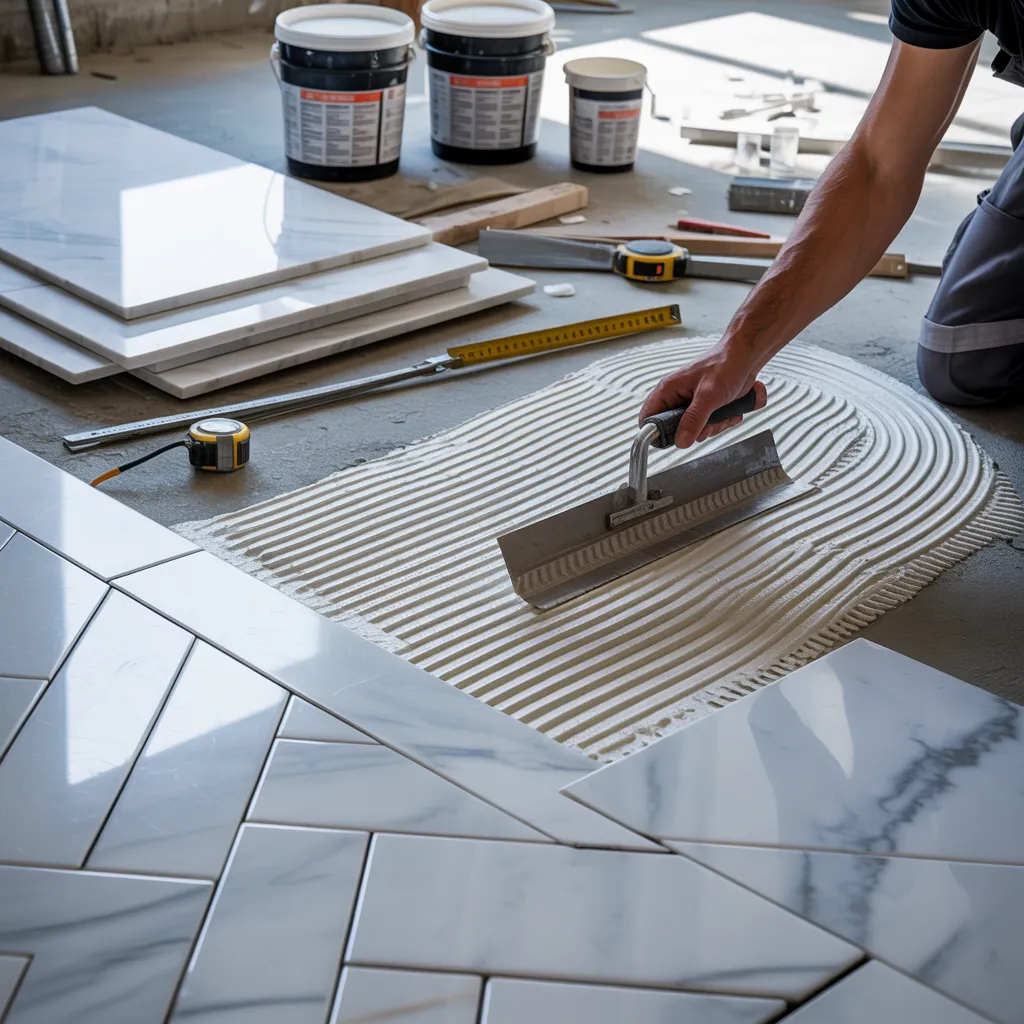
Picking the Ideal Tile Materials for Your Project
When commencing a tile installation endeavor, homeowners often prioritize picking the right tile materials. The choosing process involves various elements, including durability, visual appeal, and installation requirements. Common materials include ceramic, porcelain, and natural stone, each presenting individual benefits and limitations.
Ceramic tiles are appreciated for their versatility and cost-effectiveness, making them ideal for various rooms. Porcelain tiles, known for their strength and water resistance, are ideal for heavily used spaces and humid conditions. Natural stone, such as marble or granite, provides an upscale look but necessitates greater care and regular maintenance.
Property owners should keep in mind the tile's finish, size, and pattern to achieve the desired visual effect. At the end of the day, the ideal selection of materials can enhance the overall appeal and functionality of the space, ensuring the installation meets both practical needs and aesthetic preferences.
What to Expect During Your Tile Installation
When undergoing a tile installation, homeowners can prepare for a series of essential preparation steps leading up to the installation day. Understanding what occurs on-site, from the preliminary setup to the hands-on tile laying process, is essential for a seamless process. This section details these key considerations to help clients remain knowledgeable and ready.
Preparation Steps Before Installation
Preparation is essential for a smooth and successful tile installation, providing a smooth process and ideal results. It is recommended that homeowners begin by clearing the installation area of furniture and debris, creating a tidy work environment for the installation team. Next, evaluating the subfloor is vital; it needs to be even and undamaged to adequately hold the new tiles in place. All required subfloor repairs must be addressed beforehand. Moreover, picking the correct tile style and pattern can impact both the appearance and performance, so it is advisable for homeowners to seek professional guidance. Finally, verifying the timeline and any required materials with the installation team will ensure expectations are met and the project begins without issues. Proper preparation lays the groundwork for an efficient installation.
Installation Day Overview
Installation day unfolds with a series of organized steps that guarantee a smooth and successful tile installation. Our installation crew commonly arrives in the early hours, equipped with necessary tools and materials. They begin by preparing the workspace, ensuring it is clean and free from obstacles. Following this, the crew will carefully measure and mark out the design, ensuring that each tile is placed with precision. When they start placing the tiles, they prioritize consistent spacing and proper alignment, commonly employing tile spacers for greater accuracy. According to the scope of the installation, the work may require a number of hours to complete. Once completed, the team will clean the space and provide guidance on the curing period for grout. Property owners should anticipate a professional approach and careful attention to every detail from start to finish.
Tips for Hiring the Best Tile Installation Professionals
When looking for the top tile installation professionals, how can one assure that the chosen experts have the required skills and dependability? First, researching local professionals online can offer valuable information. Reviews and testimonials from previous clients often reveal the standard of work and expertise.
Next, requesting multiple quotes facilitates a comparison of services and costs, helping with making well-informed decisions. It is important to verify that the professionals are licensed and insured, as this provides protection against potential liabilities.
Additionally, requesting a selection of prior installations can demonstrate the professional's capabilities and design sensibility, confirming compatibility with unique expectations.
Finally, conducting interviews can be useful for assessing interpersonal skills and professional conduct, critical to a productive working relationship. By adhering to these guidelines, homeowners can successfully identify professional tile installers who meet their standards and expectations.
Common Challenges You Might Face During Tile Installation
Throughout the tile installation process, various obstacles may emerge that could affect the final outcome. Surface preparation issues can result in an uneven surface, while issues with tile alignment may cause a visually unsatisfactory finish. Addressing these challenges is essential for obtaining a polished and professional finish.
Surface Preparation Problems
Thorough surface preparation is fundamental to achieving a successful tile installation, as it significantly affects the lifespan and visual quality of the finished product. A common challenge frequently faced is the presence of uneven surfaces. Variations can lead to tiles cracking or coming loose over time. Additionally, moisture issues can arise if the surface is not adequately dried or sealed, leading to mold development and structural damage. Contaminants such as debris, dust, or residual adhesive may also hinder effective bonding, compromising the integrity of the tile installation. Occasionally, insufficient leveling compounds are applied, leading to additional complications. Tackling these surface preparation concerns is crucial for securing a pristine and resilient tile installation, thereby enhancing the overall success of the project.
Tile Alignment Problems
Surface preparation issues frequently result in misaligned tiles, which are among the most common challenges faced during installation. Surfaces that are not level or plumb can result in tiles that fall out of alignment, resulting in unsightly gaps or height differences between adjoining tiles. Additionally, improper spacing maintained between tiles could compound any existing misalignment concerns. When tiles fail to follow a consistent alignment, both the appearance and durability of the finished installation can be negatively impacted. Poor adhesive application may also contribute to movement during the curing process, causing tiles to slip out of position. To mitigate these problems, thorough surface preparation, exact measurements, and even spacing are critically important. Hiring experienced tile installation professionals provides assurance that accurate alignment is upheld throughout every stage of installation, producing an aesthetically appealing and structurally sound completed surface.
Essential Tips for Maintaining Your Tiles After Installation
Looking after tiles once installed is essential for maintaining their look and lifespan. Frequent cleaning is key; utilizing a pH-neutral cleaner formulated for tiles aids in preventing damage. Steer clear of harsh chemicals that could damage grout and tile surfaces. For routine care, a gentle broom or vacuum cleaner can eliminate debris while avoiding scratches.
It is important to address spills right away so as not to cause staining, particularly on natural stone tiles. consult this source Moreover, resealing grout lines on an annual to biannual basis can protect against moisture and mildew.
You should use mats in high-traffic areas to reduce wear and tear. Routine checks for cracks or loose tiles can stop more serious damage from developing. As required, thorough professional cleaning can restore the tile's original look.
How Much Should You Budget for Tile Installation?
What is the best way for homeowners to plan a budget for tile installation? Understanding the costs involved is essential for accurate budgeting. The full project cost commonly encompasses materials, labor, and supplementary fees including underlayment or the removal of existing flooring. Tile costs typically fall between $1 and $15 per square foot, varying according to type and quality. Labor costs usually add another $5 to $10 per square foot, influenced by the complexity of the installation.
Homeowners should also consider additional costs, including adhesive, grout, and tools. It is recommended to set aside a contingency of 10 to 20 percent for unexpected problems or excess materials. In addition, gathering several estimates from contractors can give a more accurate understanding of the prevailing rate. Overall, a well-researched budget will assist homeowners in making sound decisions and eliminate unanticipated financial stress throughout the tile installation process.
Common Questions and Answers
How Much Time Does Tile Installation Usually Take for a Standard Room?
Tile installation for a standard room typically takes anywhere from one to three days, depending on factors like the room size, tile type, and complexity of the layout. Surface preparation and curing time may also add to the total duration.
Can Tiles Be Installed Over Existing Flooring?
It is possible to install tiles over pre-existing flooring, given that the surface is properly cleaned, level, and structurally intact. Nevertheless, adequate assessment and preparation are critical to achieving a reliable and long-lasting result.
What Kind of Grout Should I Choose for My Tiles?
For tile installations, grout options consist of sanded, unsanded, and epoxy. Sanded grout works best with wider joints, unsanded grout is perfect for tighter spaces, and epoxy offers durability and stain resistance, making it suitable for high-moisture areas.
Is It Necessary to Seal My Tiles After They Are Installed?
Yes, it is generally recommended to seal tiles after installation. It boosts durability, reduces the risk of stains, and offers protection from moisture. The need for sealing can differ based on the type of tile and its location, so consulting a professional is advisable.
What Are the Best Tools for DIY Tile Installation?
For a DIY tile installation project, essential tools include a tile-cutting tool, trowel, level, tile spacers, grouting float, and a rubber-headed mallet. Safety gear like goggles and knee pads also ensures a more comfortable and safer workspace.